
Botanical Medicine in St. Albert
People have turned to medicinal plants for as long as there have been people. Today, botanical medicine (also called herbal medicine) is a core part of naturopathic care, and our naturopathic doctors use it thoughtfully, as one part of an individualized plan built around your health history, your current care, and your goals.
Provided by naturopathic doctors regulated by the College of Naturopathic Doctors of Alberta.
ABOUT Botanical Medicine
What Botanical Medicine Means
Botanical medicine is the use of medicinal plants - their roots, leaves, flowers, bark, seeds, and berries - to support health. You'll also hear it called herbal medicine, phytotherapy, or simply herbal remedies.
In a naturopathic setting, it's more than picking a natural remedy off a shelf. Our naturopathic doctors consider which herbs fit your situation, in what form and dose, how they'll interact with any medications or supplements you already take, and how they fit alongside the rest of your care. That clinical context is what turns an herb into a treatment plan.
How Botanical Medicine May Help
Botanical medicine gives your naturopathic doctor a flexible set of tools to support your health in a way that's tailored to you. Depending on your needs, herbs may be used for the following:
Because every person's health history is different, there's no single "best herb" for a concern. What makes botanical medicine valuable is how it's matched to the individual, which is exactly where a naturopathic doctor's training comes in.
Support digestion, sleep, energy, and your body's response to stress
Complement other parts of your naturopathic plan, such as nutrition, lifestyle guidance, or acupuncture
Offer a plant-based option that works alongside your existing healthcare
Provide gentle, adjustable support that can change as your needs change
The History of Botanical Medicine
Herbs and health have been connected throughout human history. Some of the earliest written medical records are, at heart, a list of herbs.
Plants have also shaped modern pharmacy. Aspirin traces its origins to compounds found in willow bark, and other well-known medications were first identified in plants. Today, botanical medicine continues to be studied, and herbal products sold in Canada are regulated by Health Canada as natural health products.
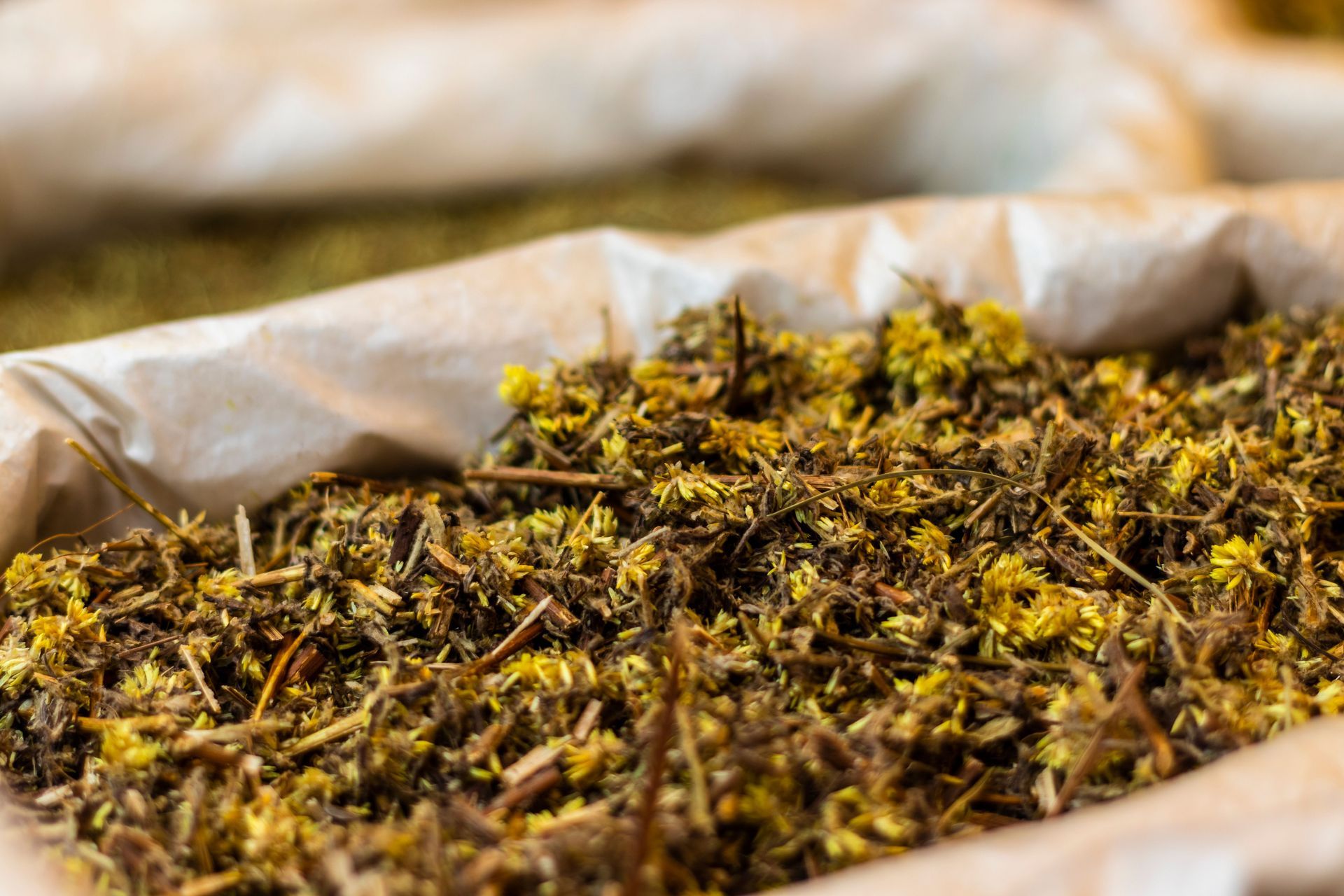
Ancient Egypt
The Ebers Papyrus, dating to around 1550 BCE, records hundreds of plant-based preparations.
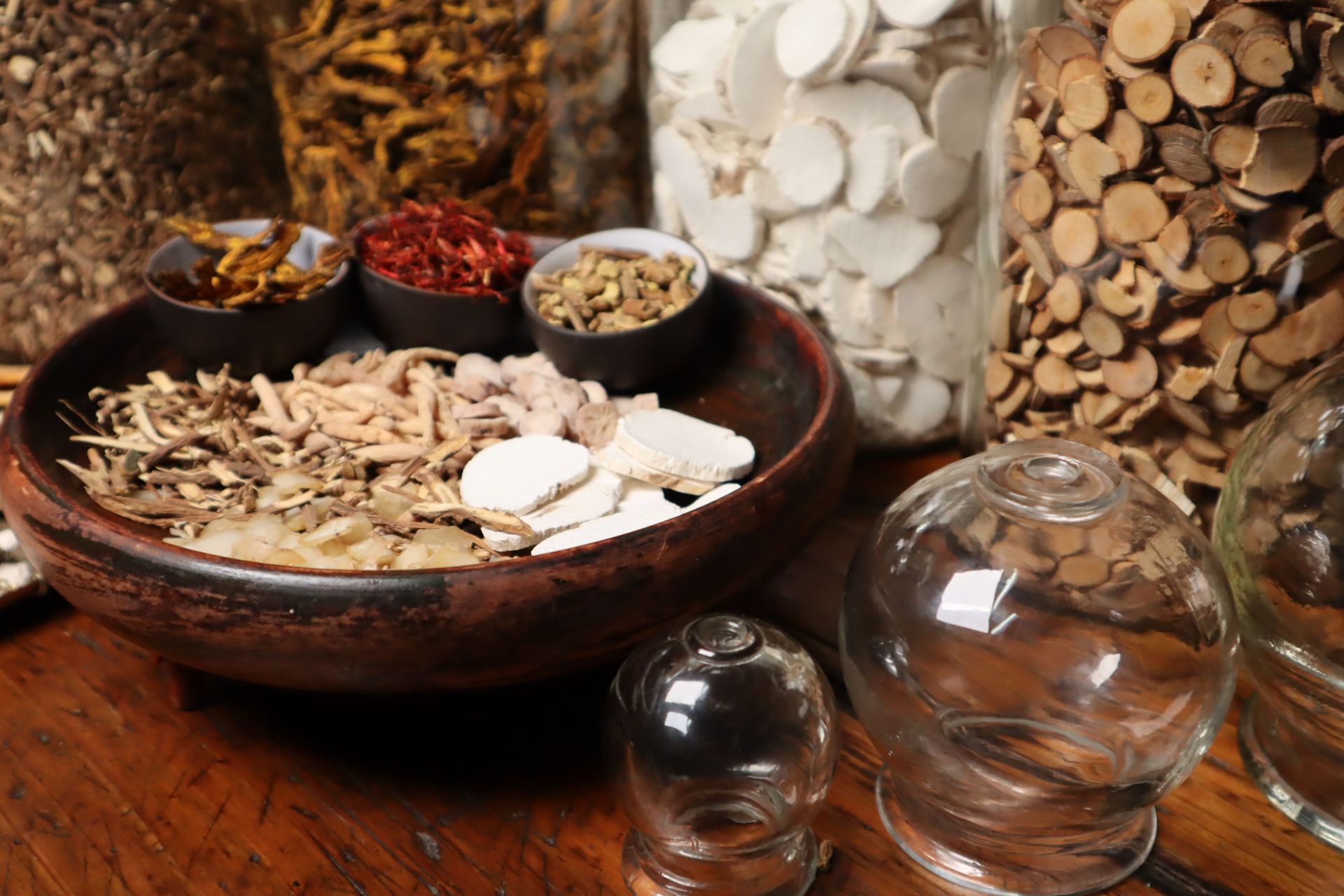
Traditional Chinese Medicine
Herbal traditions in China stretch back thousands of years and remain a living, practiced system today.
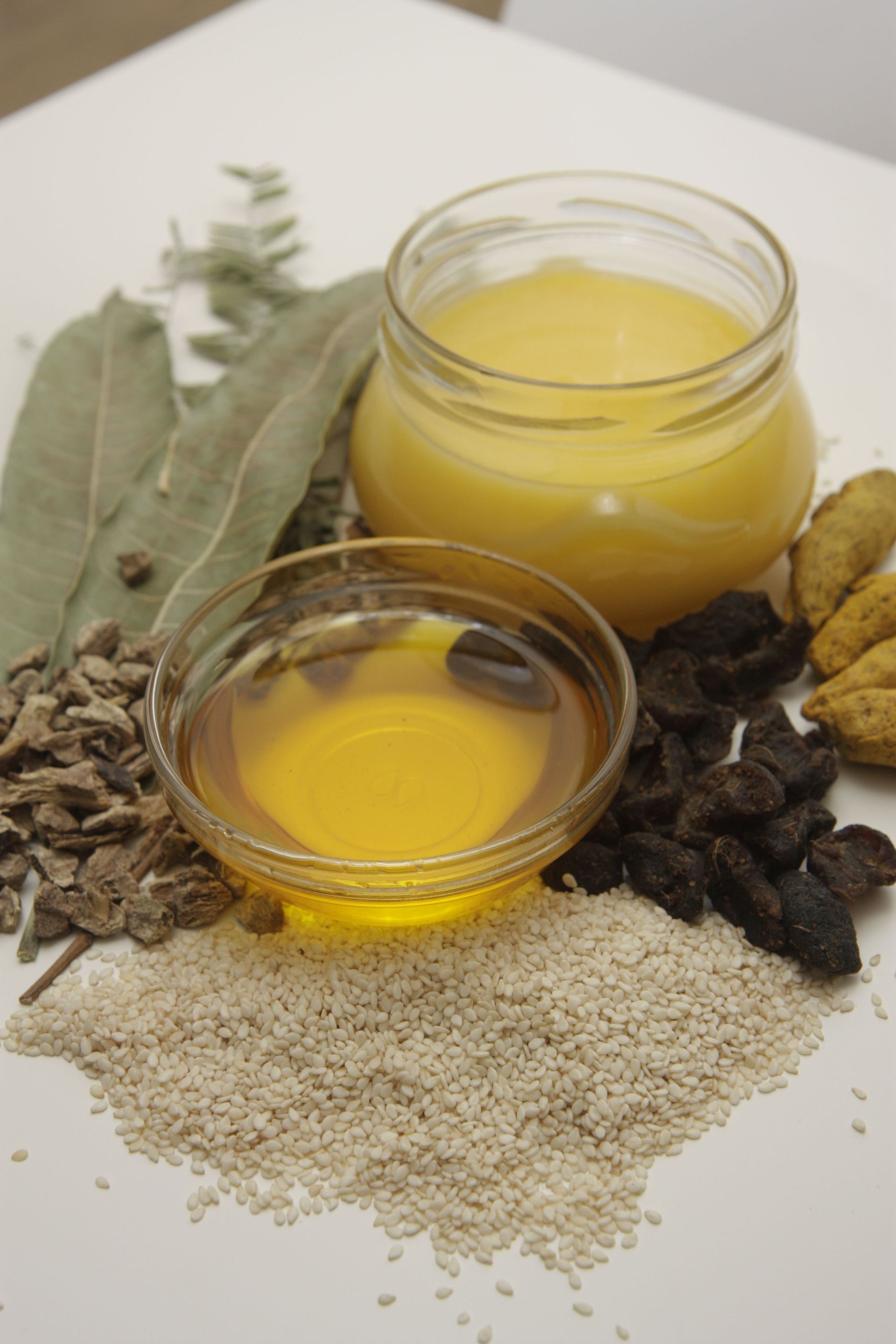
Ayurveda
India's traditional system of medicine has relied on medicinal plants for millennia.

Ancient Greece and Rome
The physician Dioscorides compiled De Materia Medica in the first century CE which is a reference on medicinal plants used for over 1,500 years.
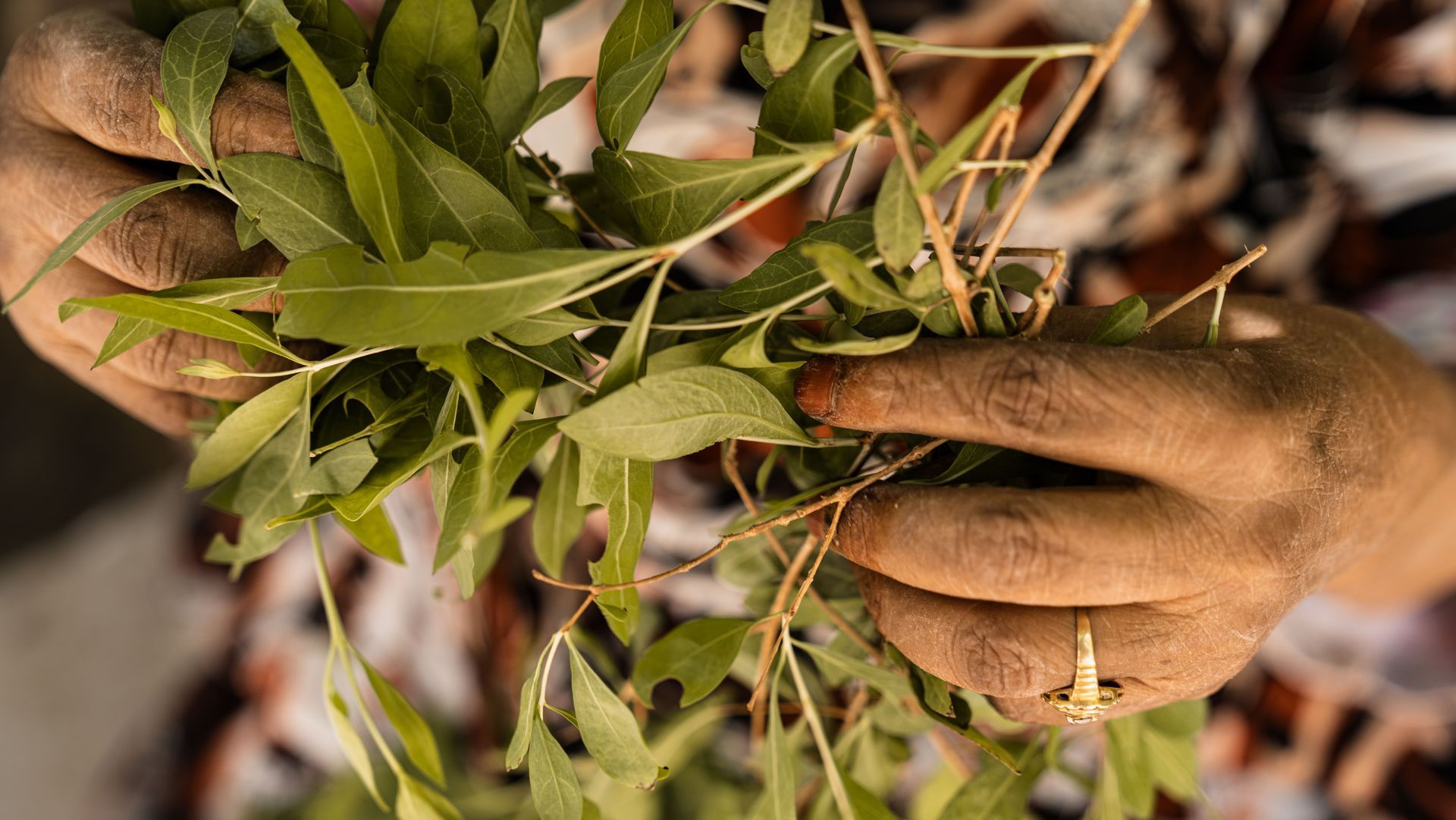
Types of Botanical Medicine We Carry
Herbs come in different forms, and the right one depends on the herb, the person, and what's practical day to day.
Products we dispense are Health Canada–licensed natural health products, identified by a Natural Product Number (NPN) on the label.
Medicinal Plants Our Naturopathic Doctors Commonly Work With
Botanical medicine may be a good fit if you:
- Are looking for a plant-based option as part of your healthcare
- Have persistent or complex concerns and want a comprehensive, individualized approach
- Already use herbal or natural remedies and want guidance on whether they're the right fit, at the right dose, alongside your medications
- Want naturopathic care that complements the care you already receive from your physician or other healthcare providers
Our naturopathic doctors may include botanical medicine in plans for a wide range of concerns, including digestive health, stress, fatigue, and sleep, women's health, pain, and pediatric concerns.
A note on safety: Natural doesn't automatically mean right for everyone. Some herbs interact with prescription medications, and some aren't appropriate during pregnancy, while breastfeeding, before surgery, or with certain health conditions. That's one of the most important reasons to work with a naturopathic doctor rather than guessing on your own.
Our Process: Determining If Botanical Medicine Is Right for You
Our Credentials & Approach
Experience & Staff
Our naturopathic doctors are regulated by the College of Naturopathic Doctors of Alberta, with a minimum of three years of pre-medical study, four years of naturopathic college, and 1,500 supervised clinical hours. Botanical medicine is a core part of naturopathic medical education.
Approach
We see naturopathic care as one part of your broader healthcare team, and we're happy to work alongside the other providers you already trust.
Frequently Asked Questions
Are herbal remedies safe?
Herbal medicines can be safe and effective when appropriately selected and used. Safety depends on the herb, dose, quality, and individual circumstances. We consider your health history, medications, allergies, and other factors when making recommendations.
Can I take herbs alongside my prescription medications?
Sometimes, but not always. Some herbs can interact with prescription medications or affect how they work. We review your medications and supplements carefully to identify potential interactions and determine what is appropriate for you.
I already take herbal supplements on my own. Can you review them?
Yes. We can review the herbs and supplements you are currently taking, including their doses and intended benefits, and identify potential interactions or duplication. We can also help you determine which products are worth continuing.
Is botanical medicine appropriate for children?
Botanical medicine can be appropriate for children, but recommendations are carefully tailored to their age, size, health history, and specific needs. Not every herb or supplement is suitable for children.
What happens at a first appointment?
Your naturopathic doctor will review your health history, current concerns, medications and supplements, and goals for care. Depending on your needs, this may include a physical assessment or recommendations for laboratory testing. Together, you will develop an individualized treatment plan, which may include botanical medicine.
A natural part of your routine
Medicinal plants have supported human health for thousands of years. Find out whether botanical medicine belongs in your individualized care plan.