Your Ferritin May Be “Normal” — But Is Your Iron Really Enough?
Feeling tired, noticing more hair in your brush, or struggling with restless legs? Your iron levels may be worth checking — even if your hemoglobin is completely normal
Iron is one of the nutrients I frequently discuss with women in my practice. One reason is that iron deficiency is surprisingly easy to miss.
You can have a normal hemoglobin, fall within the laboratory’s “normal” ferritin range, and still have iron stores that are lower than ideal for you.
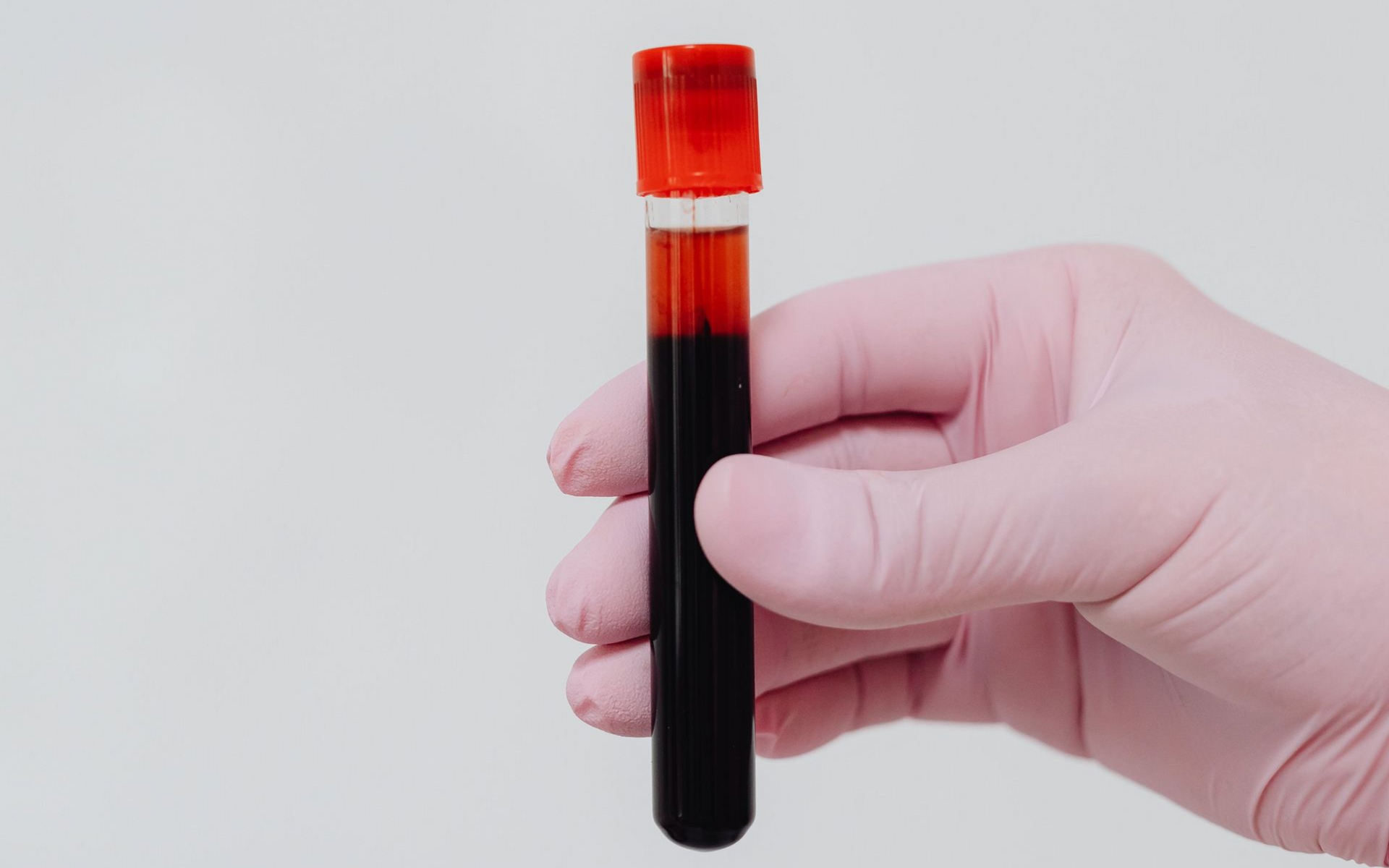
Ferritin tells us about your iron store
When we check iron status, one of the most useful tests is ferritin.
Ferritin is a protein that stores iron, so your ferritin level gives us an indication of how much iron you have in reserve.
In Alberta, the standard laboratory reference range for ferritin in adult women is approximately 20–300 µg/L.
That sounds reassuring if your result comes back at 25 or 30.
But here’s the important distinction:
A laboratory reference range is not necessarily the same thing as the level at which you will feel your best.
Alberta Precision Laboratories specifically notes that ferritin values below approximately 30–45 µg/L are associated with iron deficiency.
In my practice, I often pay particular attention when a woman’s ferritin is below 50, especially if she has symptoms that could be related to low iron.
You don’t have to be anemic to have low iron
This is one of the most important things to understand about iron. Iron deficiency and anemia are not the same thing.
Anemia occurs when your hemoglobin becomes too low. But your body can start running down its iron stores before your hemoglobin falls outside the normal range.
That means a woman can have a perfectly “normal” CBC and still have low iron stores.
In a randomized controlled trial of 198 menstruating women with unexplained fatigue, all participants had normal hemoglobin but ferritin levels below 50 µg/L. After 12 weeks, women taking iron experienced a significantly greater reduction in fatigue than those taking placebo. The researchers concluded that iron supplementation should be considered in non-anemic women with unexplained fatigue and ferritin below 50 µg/L. [1]
That’s one reason I don’t want women to look only at their hemoglobin and assume their iron is fine.
What ferritin level is best?
There isn’t one magic ferritin number that is optimal for every woman.
However, there is good evidence that symptoms can occur at ferritin levels that are technically within the laboratory reference range.
For example, a study of more than 500 non-anemic menstruating women found:
- Ferritin ≤20 µg/L was associated with recent hair loss.
- Ferritin ≤50 µg/L was associated with restless legs.
- More than half of the women in the study had ferritin below 50 µg/L. [2]
Restless legs is particularly interesting because the treatment guidelines are more aggressive about iron stores. Current guidelines recommend assessing iron status in people with clinically significant restless legs, and iron treatment is generally considered when ferritin is 75 µg/L or lower or transferrin saturation is low. [3,4]
So if you have restless legs and your ferritin is 45, being told “your ferritin is normal” doesn’t necessarily tell the whole story.
What are some signs that your iron may be low?
Iron deficiency can show up in different ways, and not everyone has the same symptoms.
Some common symptoms include:
- Fatigue or low energy
- Reduced exercise tolerance
- Feeling tired despite getting enough sleep
- Brain fog or difficulty concentrating
- Headaches
- Hair shedding or thinning
- Restless legs
- Feeling cold
- Shortness of breath with exertion
- Feeling generally run down
These symptoms are not specific to iron deficiency, of course. There are many possible causes of fatigue, hair loss and other symptoms. That’s why testing is much more useful than simply assuming that iron is the problem
Why are women’s iron levels low?
The first question I want to answer when I see low ferritin isn’t simply “How much iron should we give you?”
It’s:
“Why is your iron low in the first place?”
For menstruating women, blood loss is one of the most common reasons. Heavy or prolonged periods can gradually deplete iron stores, sometimes long before anemia develops.
If menstrual bleeding is heavy, addressing the blood loss is just as important as replacing the iron.
Iron can also be low because you’re not getting enough from your diet or because you’re not absorbing it well.
Digestive issues, certain gastrointestinal conditions, medications and other factors can affect iron absorption. If someone’s iron repeatedly drops despite supplementation, I want to understand why rather than simply continuing to increase the dose.
What about iron after menopause?
It is easy to assume that low iron is no longer relevant once periods stop.
That’s not necessarily true.
A large Canadian study of more than 6,000 women found that 4% of postmenopausal women met the study’s definition of iron deficiency, based on ferritin below 15 µg/L. [5]
Postmenopausal women generally have higher ferritin than menstruating women because they are no longer losing iron through monthly menstrual bleeding. So when a postmenopausal woman has unexplained iron deficiency, it deserves attention.
Rather than simply taking iron indefinitely, it is important to look for the reason — particularly potential sources of blood loss or problems with absorption.
“Iron makes me constipated.”
I hear this all the time.
And if you’ve ever taken a conventional iron supplement and ended up with constipation, nausea or stomach pain, you may understandably be reluctant to try iron again.
But one bad experience with iron doesn’t mean that you can’t tolerate iron.
Different forms and doses of iron can be tolerated very differently.
Research comparing iron preparations has found differences in gastrointestinal side effects, with some evidence that chelated forms such as ferrous bisglycinate may be better tolerated than conventional ferrous sulfate in some people. [6]
I have had many patients who thought they simply “couldn’t take iron” because of their previous experience with it, only to find an iron formulation and dosing schedule that they could tolerate.
You shouldn’t have to assume that taking iron means living with severe constipation or nausea.
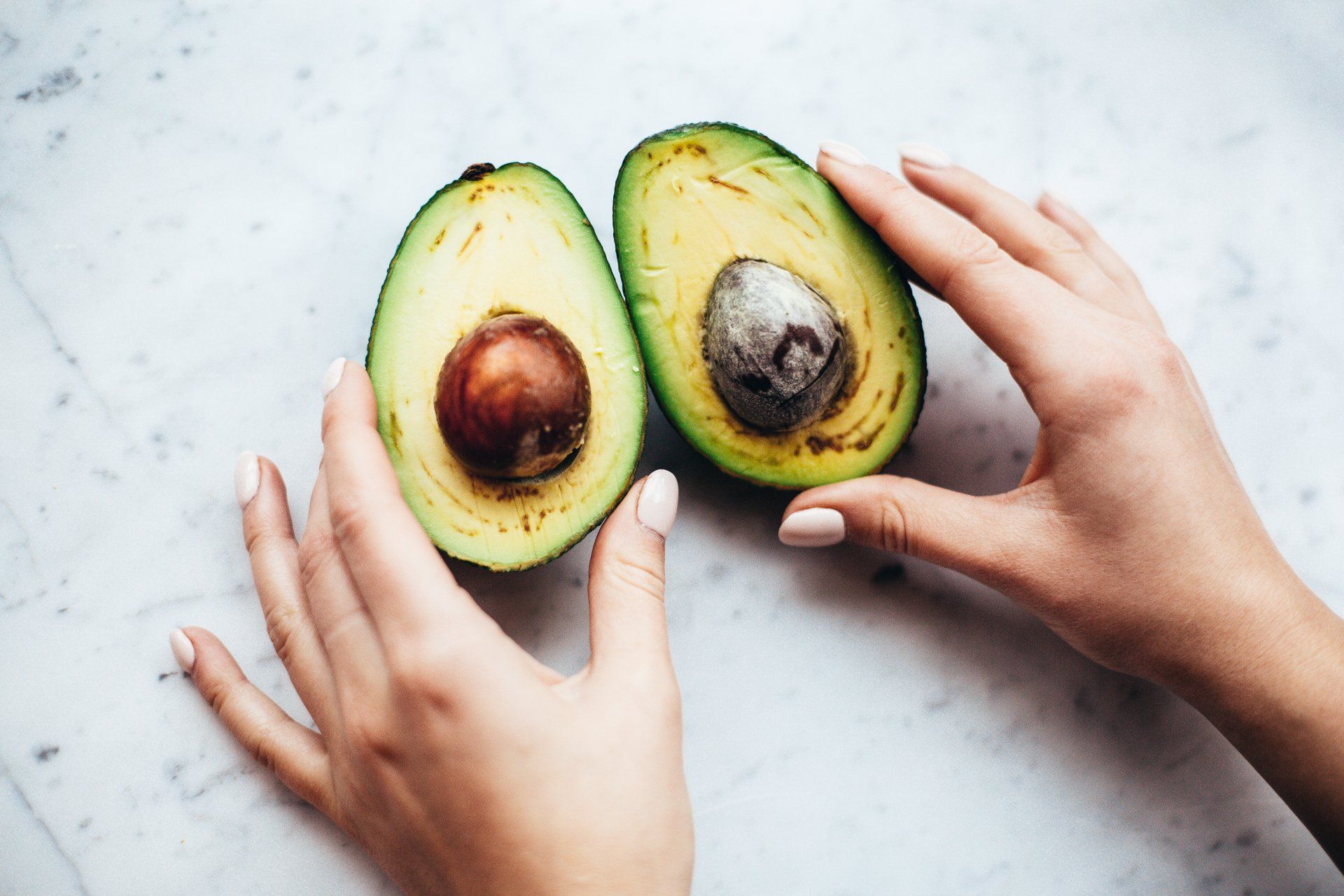
Food matters too
Food is an important part of maintaining healthy iron stores.
Good sources of iron include:
Heme iron
- Beef
- Lamb
- Poultry
- Fish and seafood
Non-heme iron
- Lentils and beans
- Tofu
- Pumpkin seeds
- Nuts and seeds
- Dark leafy greens
- Iron-fortified foods
Vitamin C can increase the absorption of non-heme iron, so pairing plant-based sources of iron with foods such as berries, citrus, peppers, tomatoes or broccoli can be helpful.
How you take iron can make a difference
Iron absorption is affected by what you take it with.
As a general rule, iron is better absorbed away from:
- Coffee
- Tea
- Calcium supplements
- Dairy products
Vitamin C can enhance iron absorption, which is one reason some iron supplements include vitamin C in the formulation.
However, maximizing absorption isn’t always the only consideration.
If taking iron on an empty stomach causes significant nausea, taking it with a small amount of food may be a reasonable compromise.
The best plan is the one that provides enough iron and that you can actually take consistently.
Don’t take iron and then forget about it
This is another part of iron treatment that I think is often overlooked.
If you start taking iron, we should check whether it is actually working.
I often recommend repeating iron studies relatively early — often around 8 weeks, depending on the individual situation.
The goal isn’t necessarily for your ferritin to be completely “normal” at eight weeks.
The goal is to see evidence that we’re moving in the right direction.
If your ferritin hasn’t changed, we need to ask why.
Are you taking enough?
Are you absorbing it?
Are you taking it in a way that interferes with absorption?
Are you continuing to lose iron?
Is there another underlying issue?
There is little value in taking a supplement for six months if it isn’t actually changing your iron status.
The bottom line
If you’re tired, losing more hair than usual, struggling with restless legs, or simply don’t feel like yourself, it may be worth looking beyond your hemoglobin.
Ask about your ferritin.
And remember that the laboratory’s “normal” range is a reference range — not necessarily a guarantee that your iron stores are optimal for you.
At the same time, low ferritin shouldn’t automatically lead to taking iron forever. The most useful approach is to determine whether your iron is low, why it is low, choose a form and dose you can tolerate, and then retest to make sure treatment is working.
Iron deficiency is common, treatable and often overlooked.
It deserves a closer look.
- Dr. Rebecca Tocher-Richmond
References
1. Vaucher P, Druais PL, Waldvogel S, Favrat B. Effect of iron supplementation on fatigue in nonanemic menstruating women with low ferritin: a randomized controlled trial. CMAJ. 2012;184(11):1247–1254. doi:10.1503/cmaj.110950. Read Here
2. Soppi E, et al. Non-anemic iron deficiency: correlations between symptoms and iron status parameters. European Journal of Clinical Nutrition. 2021. doi:10.1038/s41430-021-01047-5. Read Here
3. Winkelman JW, et al. Treatment of restless legs syndrome and periodic limb movement disorder: an American Academy of Sleep Medicine clinical practice guideline. Journal of Clinical Sleep Medicine. 2024. Read Here
4. Allen RP, et al. Evidence-based and consensus clinical practice guidelines for the iron treatment of restless legs syndrome/Willis-Ekbom disease in adults and children. Sleep Medicine. 2018;41:27–44. Read Here
5. Thomson CA, et al. Iron Status and Associated Factors among Canadian Women: Results from the Canadian Health Measures Survey. Journal of Nutrition. 2023. Read Here
6. Tolerability of iron: a comparison of bis-glycino iron II and ferrous sulfate. Randomized double-blind crossover study. Read Here