

GUT MICROBIOTA AND NON-ALCOHOLIC FATTY LIVER DISEASE
By Dr.D.Vojtisek, B.Sc., N.D.
Non Alcoholic Fatty Liver Disease; NAFLD, is a condition that is becoming ever more common in our patient population, especially those with poor blood sugar control, metabolic syndrome (a combination of high blood pressure, high LDL cholesterol and triglycerides, high blood sugar and excess fat around the midsection) and those who are overweight, pre-diabetic or diabetic
While NAFLD is considered benign, the danger is that it tends to progress to a more serious liver condition, Non Alcoholic Steatohepatitis or NASH. NASH leads to inflammation of the liver resulting in scarring, fibrosis and cirrhosis (permanent damage and loss of function).
While naturopathic treatment protocols for NAFLD must include lifestyle and dietary changes to ease the toxic burden on the liver, there are excellent nutraceutical and herbal options as well. The target of these treatments is to improve insulin sensitivity, lessen inflammation, protect the liver from further damage and ultimately to help to regenerate normal liver cells and restore normal function, or at the very least, to slow and arrest the disease process.
Many recent studies have focused on the damaging effects on the liver of toxins absorbed into portal circulation as a result of dysbiosis (growth of harmful bacterial, yeast species in the gut) and SIBO (an overgrowth of bacteria in the small intestine). It appears these conditions can play a major role in the development of NASH and therefore their detection, diagnosis and treatment can be an important and effective part of a naturopathic NASH treatment protocol.
I have found that testing for and treating both dysbiosis and SIBO improves a great many health conditions and have begun to use this approach with patients suffering from NASH as well.
Sources: Klotter, Jule, Gut Microbiota and Nonalcoholic Fatty Liver Disease, Townsend Letter, June 2020, pp.32
BACKGROUND: A CONDITION WHEREBY THE LIVER LOSES ITS ABILITY TO PROPERLY PROCESS FATS, WHICH THEN BEGIN TO BE DEPOSITED IN THE LIVER ITSELF AND THROUGHOUT THE BODY LEADING TO WEIGHT GAIN, INFLAMMATION. POOR BLOOD SUGAR CONTROL/INSULIN RESISTANCE IS PART OF THE CLINICAL PICTURE

Our Weight Loss Roadmap is designed to help identify factors that may be making weight management more difficult and then build practical, sustainable habits that support your health along the way.

Dr. Rebecca Tocher, ND If you’re in your 40s or 50s and suddenly feeling exhausted, gaining weight, sleeping poorly, experiencing heavier periods, or simply not feeling like yourself, you may wonder: “Should I have blood work done? And if so, what should actually be tested?” It’s a good question. Perimenopause can cause a surprisingly wide range of symptoms, but not every symptom is necessarily caused by changing hormones. Iron deficiency, thyroid problems, nutritional deficiencies, blood sugar changes and other health issues can look very similar to menopause symptoms. At the same time, there is a common misconception that a single blood test can tell you exactly where you are in the menopausal transition. Unfortunately, it isn’t that simple

Dr. Rebecca Tocher, ND You fall asleep easily, sleep well for a few hours, and then suddenly—you’re wide awake. You glance at the clock. 3:07 a.m. Maybe you’re a little warm. Maybe you need to use the bathroom. Maybe your mind suddenly starts running through tomorrow’s to-do list. And once you’re awake, getting back to sleep seems almost impossible. If this sounds familiar, you’re not alone. Sleep can change significantly during perimenopause and menopause—and it can happen before your periods become obviously irregular.
Dr. Rebecca Tocher, ND

Learn effective strategies for concussion recovery. Contact us for personalized care and support!

Learn how massage therapy reduces stress, improves sleep, & enhances mental wellness. Contact us for personalized care today!
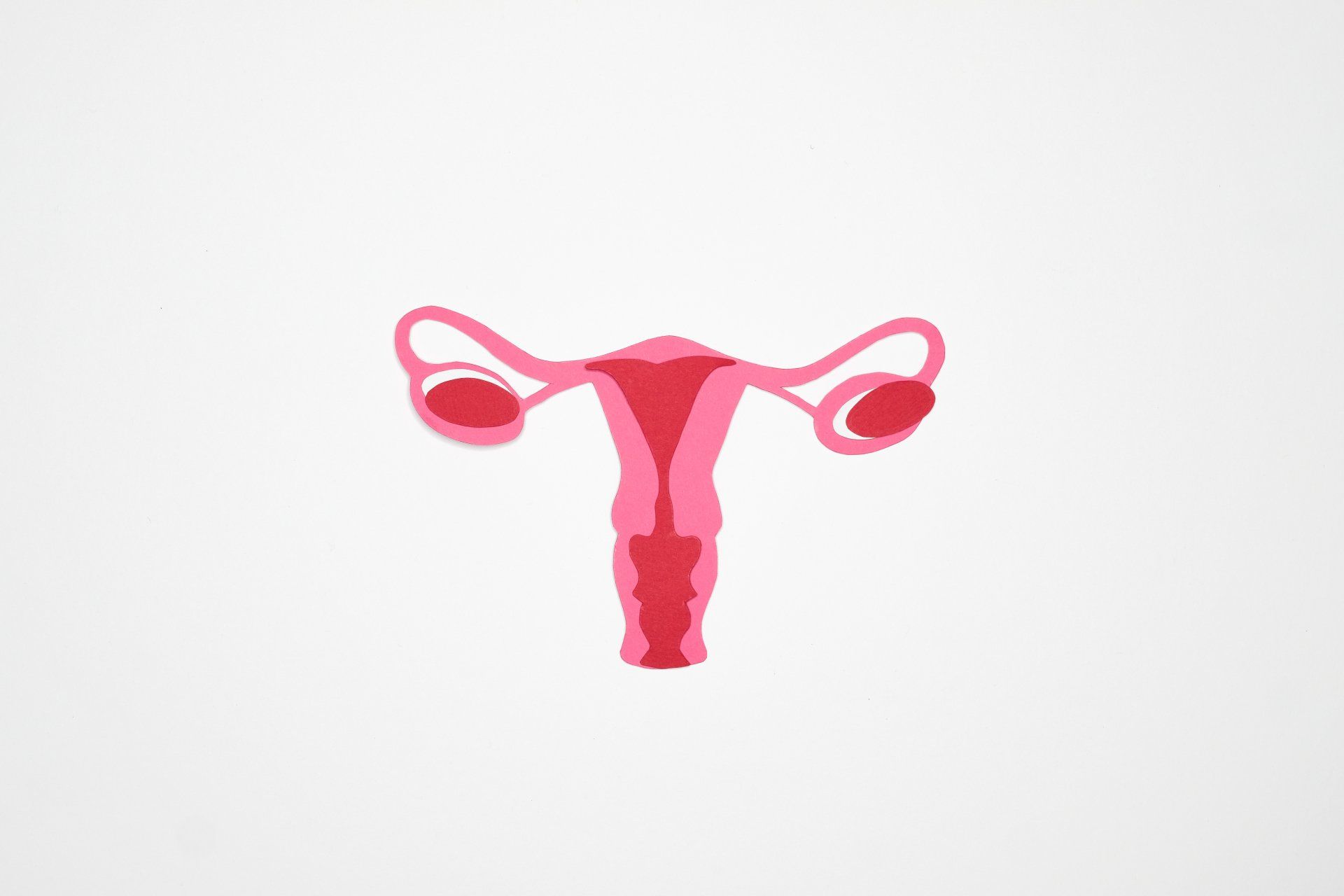
Join our 6 Step PCOS Program for natural solutions to hormonal imbalances. Contact us to start your journey to better health.

By Dr.D.Vojtisek, B.Sc., N.D. Over the last decade-plus of practicing Naturopathic Medicine one of my favourite treatment modalities has been the use of intramuscular vitamin injections. The advantage of this delivery system is mainly the nearly 100% absorption, which is greatly superior to oral supplementation, especially in situations where there is impairment of liver and/or digestive function at any level. The most common vitamin in intramuscular injection formulations is Vitamin B12. As Naturopathic Doctors we tend to use its hydroxycobalamin or methylcobalamin forms as opposed to the synthetic and largely inactive cyanocobalamin form. A variety of other vitamins, minerals and other nutraceuticals can be added depending on the treatment goal. IM injections are limited by the volume of fluid that can be injected at any given time without causing discomfort. Usually this volume tops out at about 3.5-4 mL. The injection is given directly into a muscle, most commonly the deltoid in the shoulder or the glutes/hip area. The following is a list of just some of the medical conditions for which Vitamin B12 injections can be a viable treatment option: Atherosclerosis/Ischemic Heart Disease Tinnitus Herpes Zoster (shingles) Constipation Urticaria Diarrhea Vitiligo Fecal incontinence Hearing loss Gatroparesis Olfactory dysfunction (poor sense of smell) Back pain Taste disorders Bursitis Muscle cramps Osteoporosis Migraine Peripheral neuropathy Sciatica Trigeminal neuralgia Anxiety Dementia/cognitive decline Depression Postpartum depression Alcohol addiction Anesthesia side effects Asthma Chronic fatigue syndrome Cirrhosis Diabetes Fatigue Growth retardation Hepatitis Hyperthyroidism Infertility I have observed great effectiveness of IM injections (all containing Vitamin B12) in treating all of the above conditions and many more. Generally speaking,most patients will report increased energy levels, mental clarity, motivation, improved sleep and greater mental focus following IM injections of Vitamin B12. If you are suffering from any of the listed conditions or wish to find out whether IM injections may be an effective treatment option for you please book a consultation. Sources: Gaby, Alan R., Nutritional Medicine, Concord, NH, Fritz Perlberg Publishing, 2011.

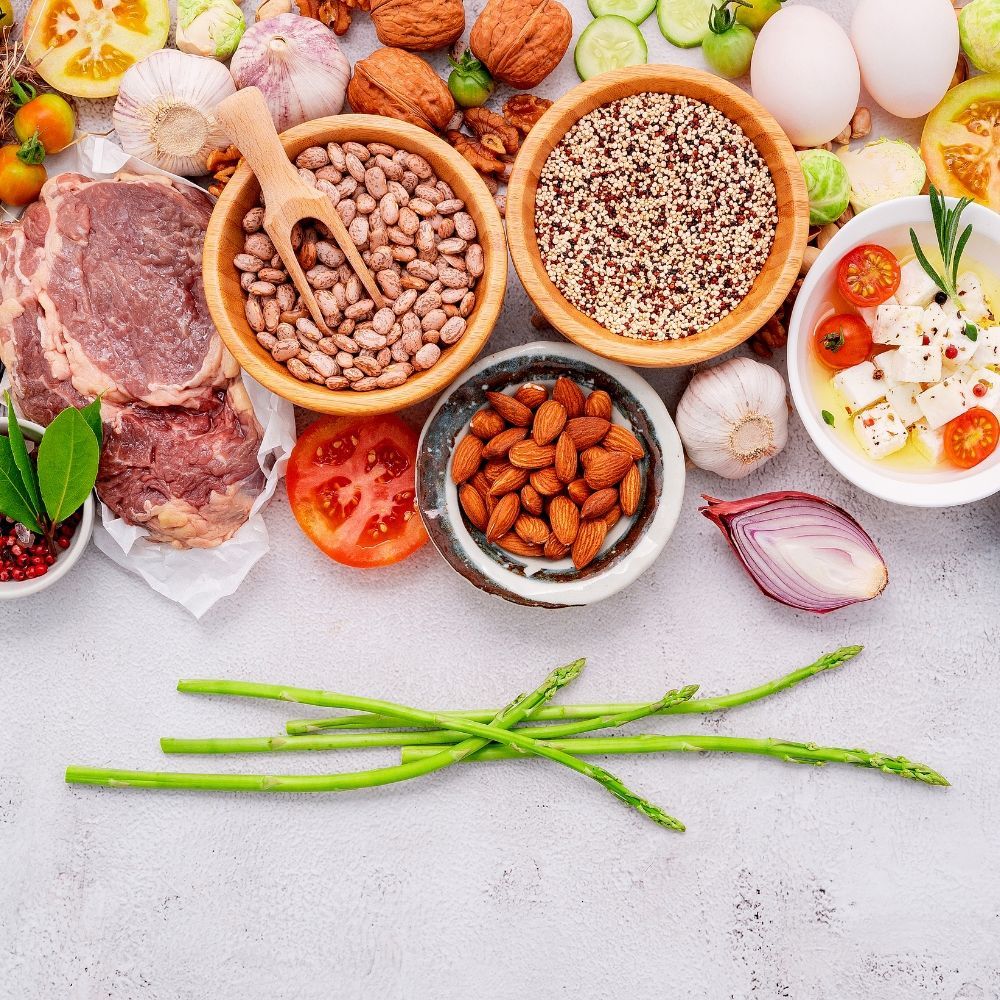
Dr. Rebecca Tocher-Richmond, ND Some people seem to be able to eat whatever they want and never gain a pound. We might say they naturally have a fast metabolism but there are steps you can take to make sure your metabolism is working up to its potential. These are some of our favourite ways to boost your metabolism: Stay Satiated Even if you’re trying to lose a few extra pounds, staying fairly full is key to your success in managing your metabolism and your weight. Eat slowly, chewing well, until you’re about 90% full, and then stop. This will allow you to determine if you really do need more sustenance or if you’re just eating out of habit. Even if you’re aiming to reduce your food intake, starving will only make your metabolism slower as it tries to store the limited energy it’s being provided – and that’s the opposite of our goal. Commit to Breakfast It’s not surprising that those who don’t eat breakfast actually tend to gain more weight over time. That’s because those who skip this meal tend to make up for it (and more) by overeating at lunch, snack times, and dinner. After a good night’s rest your body is primed to accept the fuel it needs to move through the day. In fact, it needs more fuel because it’s been hours with your metabolism in resting mode! Try a breakfast that’s high in protein, and has some complex carbohydrates and a bit of fat to jumpstart your metabolism and keep you satisfied until lunch time. Up That H20 Whether via glasses of water or herbal tea, giving your body quality fluids is essential to having a well-hydrated metabolism. Water helps keep nutrients flowing into your cells, carries toxins out of your body, and is key to a happy digestive system. It also keeps you feeling full, and helps your energy level. Add Tea or Coffee The antioxidants and small amounts of caffeine found in black, green, and white tea as well as coffee are beneficial to revving up your metabolism and keeping it chugging along healthily. One or two cups a day can provide the most beneficial amounts without going overboard. And, even better, adding herbal teas such as fennel, mint, or ginger tea after a meal can assist your digestion processes, helping meals to settle better and digest more easily – without added caffeine. Spice Is Extra Nice Studies show that adding spicy hot peppers or hot pepper sauces can help to increase your metabolism! Studies are showing that the thermogenic properties of peppers and capsaicin, a compound in chiles, can temporarily increase your body temperature, helping it to burn more calories in short bursts of time. So, try adding some extra spice to those soups or other foods, and see what benefit you might derive! Adding more flavour to your food also helps to prevent overeating. Include Intervals Any form of exercise can be bolstered with the addition of the short bursts of cardiovascular activity also known as ‘Interval Training’. Adding in 2-5 minute bursts of jumping jacks, skipping, or burpees are all great ways of building long lasting metabolism increases. If you’re a walker, try adding a few brisk hill repeats into your route. Turn Down Stress It’s been long understood that high levels of stress hormones like cortisol can result in a slowed metabolism and eventual weight gain. The opposite is also true: by turning down the stress in our lives we can help our brains, hormones, and bodies relax, a natural reboot for our metabolism. Stimulate Your Stomach If you consistently experience symptoms like heaviness after a meal, acid reflux, bloating, food allergies, undigested food in stool, flatulence, or even nausea after taking supplements you might be suffering from low stomach acid which, in turn, can result in lowered metabolism. Stomach acid, or HCL (hydrochloric acid) is a core requirement to digest effectively and one of the essential building blocks to a well-functioning metabolism. Our Naturopathic Doctors are very experienced in assessing and treating this digestive issue. Excel With Enzymes Sometimes there are particular foods that make us feel sluggish, heavy, bloated, or uncomfortable. In that case it might be time to consider a digestive enzyme to help break down food to make it more digestible and the nutrients within it more absorbable. Look for the ones that help with your food difficulties: protease for proteins, amylase for help with carbohydrates, lipase for help digesting fats, cellulase for breaking down fiber, and maltase to help convert complex sugars from grains into glucose. A broad spectrum digestive enzyme will cover all of your bases. Sleep Soundly The quality of your sleep doesn’t just affect your mood and energy level, it also has a profound effect on your metabolic state because deep REM sleep is the body’s time for rest and repair – and that includes how the body manages stress hormones, blood sugar levels, and inflammation – all of which play critical roles in our metabolism. We’re still learning much more about how important consistent sleep and rest are for our health, but what we do know for sure is that a sleep deprived body is slower and more lethargic which means weight management is harder. So if you choose just one of these tips to follow, make getting sleep your number one priority! Looking for personalized assistance in maintaining a healthy metabolism? We can help you navigate this and provide you with a fully customized plan for better health. To book your appointment call us at 780-459-5601 or visit us online at www.npath.com.
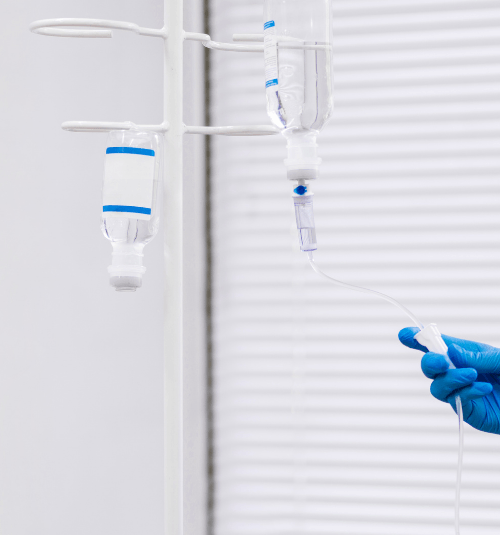
Dr. David Vojtisek, ND Since our last article on IV therapies offered at St.Albert Naturopathic Clinic we have had more inquiries as to what types of health challenges can benefit from such treatments. Dr. Vojtisek, for whom intravenous therapies are a special interest, as well as some of our other doctors, have prescribed various IV therapies with often excellent results for the following conditions: General tonification of energy and the healing response Alcohol and drug addiction Lyme disease Epstein-Barr Syndrome Viral illness (colds, flu, CMV, herpes, shingles) Rheumatoid arthritis Chronic degenerative arthritis High cholesterol Heart disease Heavy metal toxicity (chelation therapy.) Neurological disorders Gastritis, ulcers, IBS and stomach malabsorption issues Ulcerative colitis and Chrohn’s disease Anemias Adrenal fatigue as a result of chronic stress Post-traumatic or post-operative wounds that do not heal Nutrient deficiency And more… In order to assess whether you are a candidate for IV therapies please book a consultation at St. Albert Naturopathic Clinic. You may need to undergo specific blood tests before starting IVs, depending on your unique situation.