What Blood Tests Should Women Have During Perimenopause?
If you’re in your 40s or 50s and suddenly feeling exhausted, gaining weight, sleeping poorly, experiencing heavier periods, or simply not feeling like yourself, you may wonder:
“Should I have blood work done? And if so, what should actually be tested?”
It’s a good question.
Perimenopause can cause a surprisingly wide range of symptoms, but not every symptom is necessarily caused by changing hormones. Iron deficiency, thyroid problems, nutritional deficiencies, blood sugar changes and other health issues can look very similar to menopause symptoms.
At the same time, there is a common misconception that a single blood test can tell you exactly where you are in the menopausal transition.
Unfortunately, it isn’t that simple

Do I need a hormone blood test to diagnose perimenopause?
Usually, no—not if you’re over 45 and having typical symptoms.
Perimenopause is primarily a clinical diagnosis, based on your age, menstrual history and symptoms. Hormones such as FSH and estradiol fluctuate considerably during the menopausal transition, so a single measurement may not accurately reflect what your ovaries are doing overall. Current Canadian and Alberta guidance does not recommend routine hormone testing to diagnose perimenopause in women over 45. (Canadian Menopause Society)
This can be frustrating.
A woman may have hot flashes, disrupted sleep, anxiety, changing periods and brain fog, yet have a “normal” FSH.
That doesn’t mean nothing is happening.
It means one snapshot of a fluctuating hormone system isn’t necessarily very informative.
There are situations where hormone testing can be useful—for example, when menopause or ovarian insufficiency is occurring unusually early, or when the diagnosis isn’t clear. (Canadian Menopause Society)
For many women, however, the more useful question is:
“Could something else be contributing to how I feel?”
That’s where blood work can be extremely helpful.
1. CBC and ferritin: Don’t overlook iron
Iron deficiency is particularly important to consider in women who still menstruate.
Heavy or prolonged periods can gradually deplete iron stores, sometimes long before anemia develops.
A CBC can tell us whether anemia is present, while ferritin provides information about iron stores. Alberta’s iron-deficiency pathway specifically includes both CBC and ferritin when evaluating iron status. (MyHealth Alberta)
And here’s an important distinction:
You can be iron deficient without being anemic.
This is one reason I often recommend looking beyond the hemoglobin on a CBC.
Low iron stores can contribute to fatigue, reduced exercise tolerance, hair changes, restless legs and other symptoms that can easily be attributed to “just being in perimenopause.”
Ferritin also needs to be interpreted in context. A result can fall within the laboratory reference range and still be worth discussing, particularly when symptoms and other blood work point toward iron deficiency.
If your ferritin is low, the next question shouldn’t simply be, “What iron supplement should I take?”
It’s also:
“Why is my iron low?”
Heavy menstrual bleeding is one common explanation, but absorption problems, dietary intake and gastrointestinal blood loss can also be relevant. Alberta guidance emphasizes finding the cause of iron deficiency rather than simply replacing the iron. (MyHealth Alberta)
2. TSH: Could your thyroid be contributing?
Thyroid symptoms can overlap considerably with perimenopause.
Fatigue, changes in weight, brain fog, mood changes, sleep problems, changes in menstrual cycles and changes in energy can occur with thyroid disorders as well as during the menopausal transition.
A TSH is therefore often useful when symptoms suggest that thyroid function should be investigated.
It is particularly important not to assume that every new symptom in your 40s or 50s is hormonal.
Sometimes it is.
Sometimes it’s something else.
And sometimes it’s both.
3. Vitamin B12 and folate
B12 deficiency can contribute to fatigue and neurological symptoms and may be worth assessing when the history or diet suggests a risk.
This is especially relevant for people who eat little or no animal products, have certain gastrointestinal conditions, or take medications that can interfere with B12 absorption.
Folate may also be assessed when clinically appropriate.
These aren’t necessarily tests that every woman needs every year. The goal isn’t to order an enormous panel of blood work just because you’re in perimenopause.
The goal is to choose tests that make sense for your symptoms and your individual risk factors
4. Vitamin D
Vitamin D is another test that comes up frequently in discussions about women’s health.
Whether testing is appropriate depends on your individual circumstances, including factors such as bone health, dietary intake, sun exposure and risk factors for deficiency.
It’s also important to remember that vitamin D isn’t a universal explanation for fatigue.
A low result may need attention, but testing should be part of a broader assessment rather than an attempt to explain every symptom with one number.
5. Blood sugar and HbA1c
Changes in weight and energy during midlife can make it useful to look at metabolic health.
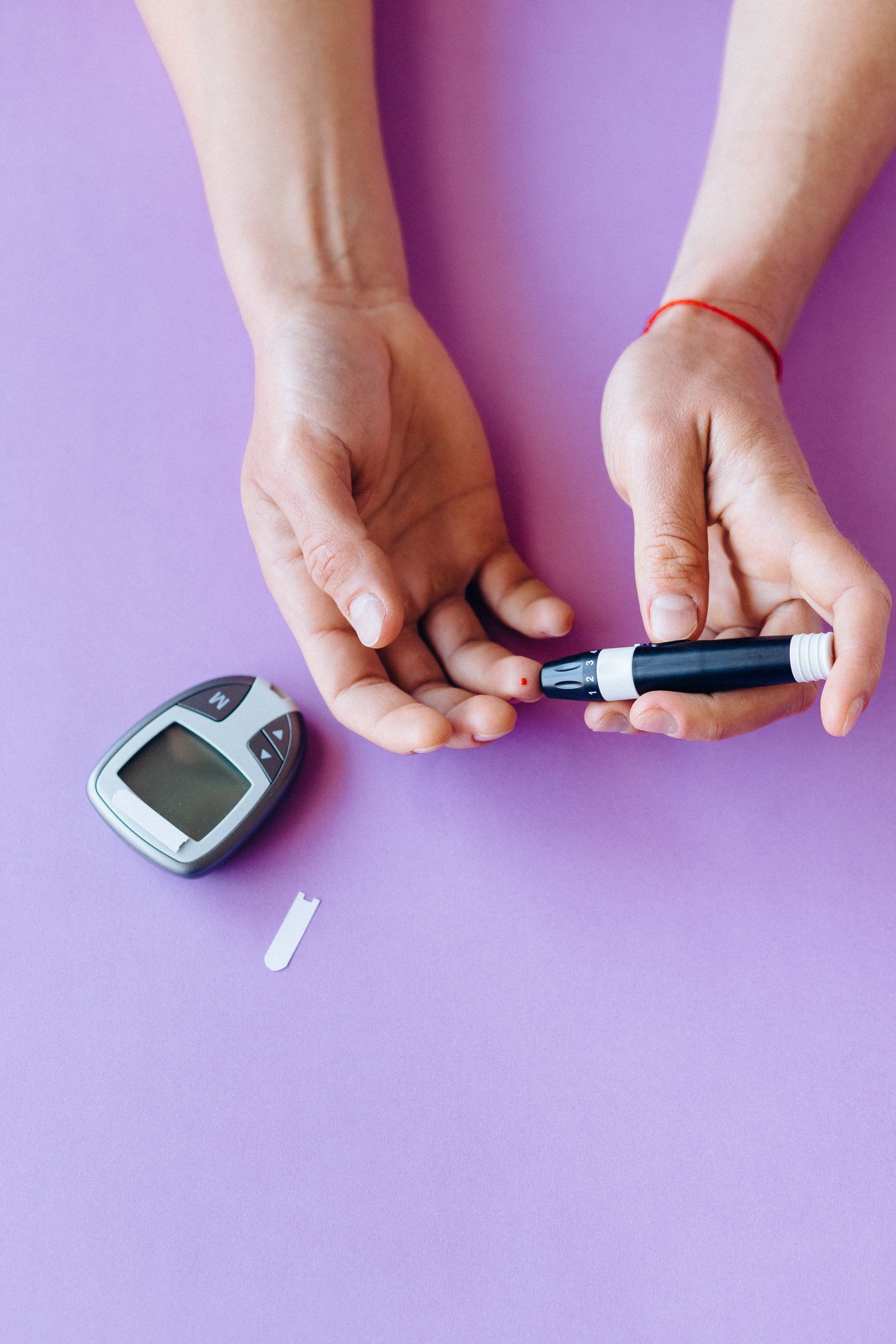
An HbA1c provides an estimate of average blood glucose over the previous few months and can help screen for prediabetes and type 2 diabetes.
Depending on your age, family history, weight changes and other risk factors, your healthcare provider may also recommend a fasting glucose or other metabolic testing.
Alberta’s current perimenopause pathway includes HbA1c among blood tests