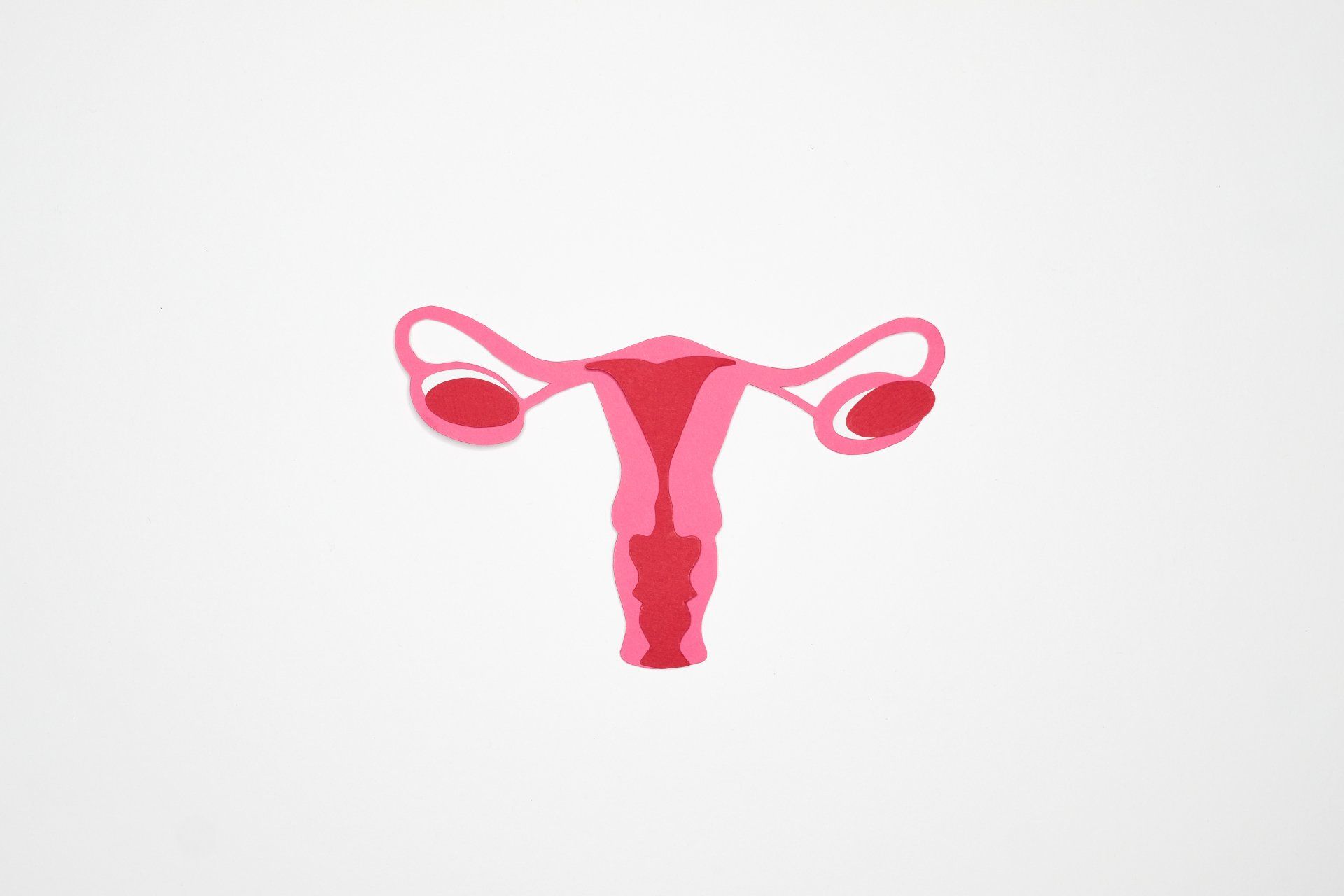
Why Am I Waking Up at 3 AM? Perimenopause and Sleep
You fall asleep easily, sleep well for a few hours, and then suddenly—you’re wide awake.
You glance at the clock. 3:07 a.m.
Maybe you’re a little warm. Maybe you need to use the bathroom. Maybe your mind suddenly starts running through tomorrow’s to-do list. And once you’re awake, getting back to sleep seems almost impossible.
If this sounds familiar, you’re not alone. Sleep can change significantly during perimenopause and menopause—and it can happen before your periods become obviously irregular.

Why does sleep change in perimenopause
There are several reasons sleep can become more fragile during the menopausal transition, including changing reproductive hormones, night sweats, changes in body temperature, mood, stress, and normal changes in sleep as we age.
Research suggests that changes in ovarian hormones can contribute to sleep disruption during the menopausal transition, although the relationship is complex and varies from woman to woman.
One of the less-discussed pieces is progesterone.
During the reproductive years, progesterone rises after ovulation. Its neuroactive metabolite, allopregnanolone, interacts with GABA-A receptors in the brain and may contribute to calming and sleep-promoting effects.
As women enter perimenopause, ovulation can become less consistent and hormone levels can become much more variable. Some cycles may have a shorter or less robust luteal phase, resulting in less progesterone exposure than in previous cycles. Importantly, these changes can occur while periods are still relatively regular.
This is one reason sleep changes can sometimes appear before a woman feels that she is obviously "in menopause."
Your sleep may be losing its resilience
I think of this as a change in sleep resilience.
You may have always had things that could potentially wake you: a full bladder, a noise outside, a temperature change, a child moving around, or the normal physiological changes that happen as morning approaches.
But previously, your brain may have simply ignored them.
As sleep becomes lighter or less resilient, those same small disturbances can be enough to wake you.
You might even think, "Why am I suddenly waking up to pee every night?"
You may not actually be producing more urine. You may simply be waking up enough to notice that you need to pee.
And once you’re awake, another problem can begin: your brain switches on.
What about cortisol?
There’s a lot of information online about waking at 3 a.m. being caused by a "cortisol spike."
It’s more complicated than that.
Cortisol naturally begins to rise during the latter part of the night as the body prepares to wake. That doesn’t mean that perimenopause causes an abnormal cortisol surge at 3 a.m.
However, if your sleep has become lighter, normal physiological changes may be more likely to wake you. Once you’re awake, worrying about being awake—or suddenly thinking about everything you need to do tomorrow—can make it much harder to fall back asleep.
This can become a cycle: lighter sleep makes you more likely to wake, and being awake gives your brain an opportunity to become mentally activated.
So the problem may not be that your cortisol is "too high."
It may be that your sleep is no longer as resistant to normal disturbances as it once was.
Other things that can wake you
Hormones aren’t the only explanation. When sleep suddenly changes, it’s worth looking at the whole picture.
Temperature
Hot flashes and night sweats are obvious culprits, but even smaller changes in body temperature can disrupt sleep.
For some women, vasomotor symptoms are a major part of their sleep disturbance. For others, temperature is only one small piece of the puzzle.
Your bladder
As mentioned above, you may not be urinating more—you may simply be waking more easily.
Frequent nighttime urination can have many other causes as well, so persistent nocturia shouldn't automatically be attributed to menopause.
Eating patterns and alcohol
Eating patterns and alcohol can also affect sleep.
Alcohol may make it easier to fall asleep initially but can contribute to more fragmented sleep later in the night. Large meals close to bedtime, reflux, or going to bed uncomfortably hungry may also disturb sleep in some people.
Rather than assuming that every nighttime awakening is caused by "low blood sugar," it’s more useful to look at the overall pattern, including meal timing, alcohol intake, caffeine, and what happens on nights when sleep is better or worse.
Stress and an active mind
Perimenopause often occurs during an incredibly busy stage of life.
Work, children, aging parents, relationships, and a long mental to-do list can make it very difficult to return to sleep once you’re awake.
And sometimes the hormones and the stress reinforce each other: lighter sleep makes you more likely to wake, and being awake gives your brain an opportunity to start thinking.
What can you do about it?
There isn’t one solution because there isn’t one cause.
Good sleep habits still matter. A consistent bedtime and wake time, a relaxing wind-down routine, limiting alcohol, managing caffeine, keeping the bedroom cool, and reducing stimulating activity before bed can all help create better conditions for sleep.
There are also a number of approaches that may be useful depending on what is contributing to your sleep disruption. These can include nutritional strategies, addressing nutrient deficiencies, magnesium, melatonin, herbal medicine, acupuncture, cognitive behavioural therapy for insomnia (CBT-I), and medical treatment when appropriate.
The important point is that the best approach depends on why you’re waking up.
For example, the approach for someone whose primary problem is night sweats may be very different from the approach for someone who falls asleep easily but wakes at 3 a.m. with a racing mind.
What about hormone therapy?
Hormone therapy can improve sleep for some women, particularly when sleep disruption is associated with hot flashes or night sweats. There is also some evidence that micronized progesterone may have sleep-promoting effects.
In Alberta, naturopathic doctors do not have prescribing authority for hormone therapy. Women who are considering HRT can discuss whether it is appropriate for them with their physician or other authorized prescriber.
At our clinic, many women specifically want to explore non-hormonal approaches, or want to address the other factors that can affect sleep and overall health. These may include nutrition, stress, alcohol, caffeine, exercise, medications, nutrient status, sleep habits, and other potential contributors to disrupted sleep.
Don’t assume you just have to live with it
Occasional nighttime waking is normal. But if you’re waking repeatedly, spending long periods awake, or feeling exhausted during the day, it’s worth looking more closely at what has changed.
Sleep problems during perimenopause aren’t necessarily "just part of getting older." Changes in reproductive hormones can play an important role, and there may be several contributing factors that can be addressed.
And sometimes the most useful question isn’t:
"How do I force myself to sleep?"
It’s:
"Why has my sleep become so easy to disrupt?"
Once you understand what’s waking you, there are often more options for improving your sleep—and helping you get back to the kind of restorative sleep you remember having.
When to look deeper
If your sleep has changed significantly, it’s worth considering factors such as:
- Perimenopausal hormone changes
- Hot flashes or night sweats
- Stress, anxiety, or an overactive mind
- Caffeine or alcohol
- Eating patterns and meal timing
- Medications or supplements
- Frequent urination
- Restless legs or iron deficiency
- Snoring or possible sleep apnea
- Reflux
- Other medical conditions
Sleep apnea and restless legs syndrome can sometimes be overlooked in women who assume their sleep disruption is simply related to menopause. If you snore, wake gasping or choking, have significant daytime sleepiness, or experience uncomfortable sensations or an urge to move your legs at night, these possibilities deserve attention.
At our clinic, we look at the whole picture rather than assuming every 3 a.m. waking is caused by one hormone or one deficiency.
Sleep during perimenopause can be complicated—but it doesn’t have to be something you simply accept.
References
1. Haufe M, et al. The role of ovarian hormones in the pathophysiology of perimenopausal sleep disturbances: A systematic review. Sleep Medicine Reviews. 2022;66:101710. Read Here
2. Nolan BJ, Liang B, Cheung AS. Efficacy of micronized progesterone for sleep: A systematic review and meta-analysis of randomized controlled trial data. Journal of Clinical Endocrinology & Metabolism. 2021;106(4):e942-e951. Read Here
3. Maki PM, Panay N, Simon JA. Sleep disturbance associated with the menopause. Menopause. 2024;31(8):724-733. Read Here
4. Drake CL, et al. Treating chronic insomnia in postmenopausal women: A randomized clinical trial comparing cognitive-behavioral therapy for insomnia, sleep restriction therapy, and sleep hygiene education. Sleep. 2019;42(2):zsy217. Read Here
5. Joffe H, et al. Telephone-based cognitive behavioral therapy for insomnia in perimenopausal and postmenopausal women with vasomotor symptoms: A MsFLASH randomized clinical trial. JAMA Internal Medicine. 2018. Read Here
6. The North American Menopause Society. The 2022 hormone therapy position statement of The North American Menopause Society. Menopause. 2022;29(7):767-794. Read Here