Our Approach to Weight Loss: A Roadmap for Sustainable Change
If you've tried to lose weight before, you may already know that simply being told to “eat less and exercise more” isn't always enough.
At St. Albert Naturopathic Clinic, we take a different approach. Rather than starting with a highly restrictive diet or immediately counting calories, we begin by looking at the bigger picture.
Our Weight Loss Roadmap is designed to help identify factors that may be making weight management more difficult and then build practical, sustainable habits that support your health along the way.
Start With the Bigger Picture
Weight can be influenced by many factors beyond food intake and exercise. Before making major dietary changes, we may consider areas such as:
- Sleep quality and duration
- Stress and daily demands
- Blood sugar regulation and metabolic health
- Thyroid function
- Iron, vitamin B12 and vitamin D status
- Nutrition and protein intake
- Physical activity
- Eating patterns and appetite
- Other aspects of your health history
-
This doesn't mean that everyone needs extensive testing. Rather, we want to understand your individual situation and determine whether there are health or lifestyle factors worth addressing.
Add Before You Subtract
One of the principles behind our Weight Loss Roadmap is adding supportive habits before focusing heavily on restriction.
Instead of immediately creating a long list of foods you can't eat, we start by asking:
What can we add to your day that will make healthy eating easier?
This might mean increasing protein, adding more vegetables and fruit, improving hydration, establishing a consistent breakfast or first meal, or creating more balanced snacks.
For many people, these changes can make it easier to feel satisfied and maintain healthy eating patterns without feeling as though they're constantly dieting.
Build Meals Around Protein
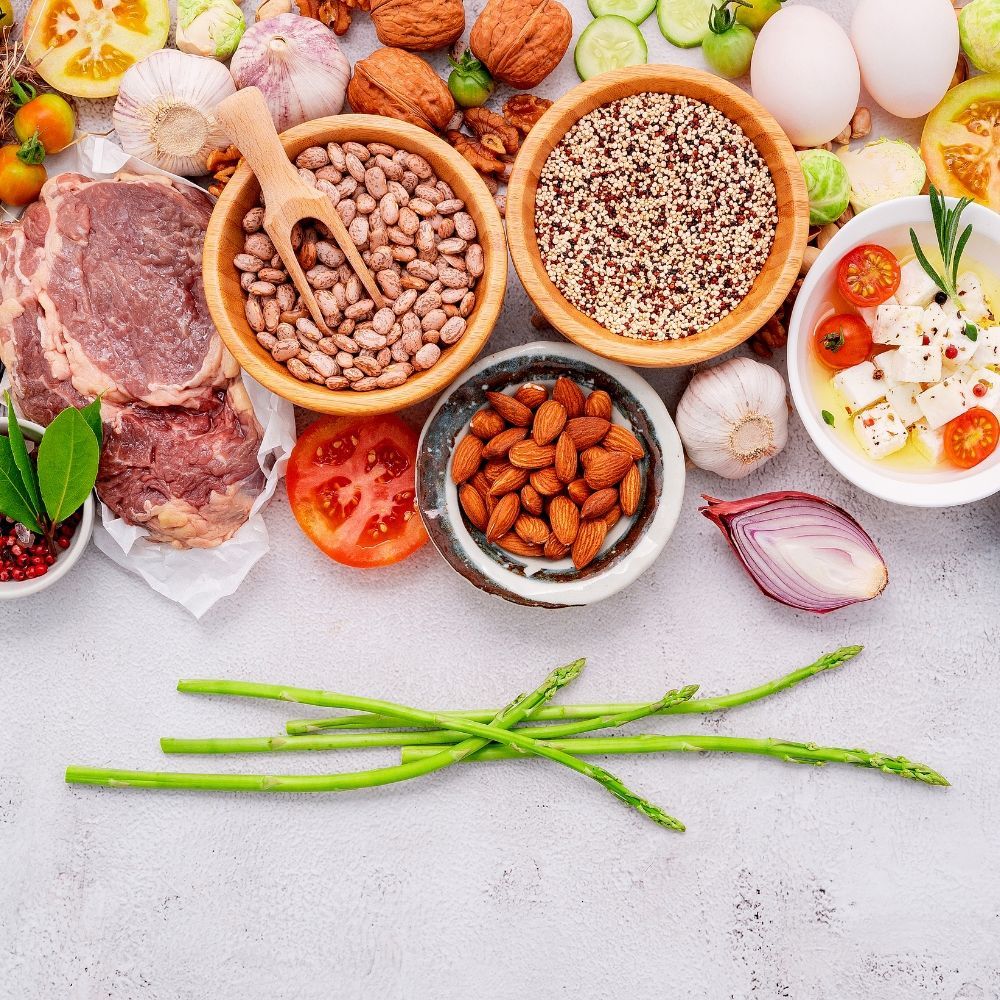
Adequate protein is an important part of our approach to weight management.
As a practical starting point, we often work toward approximately 30 grams of quality protein at a meal, depending on the individual's needs.
Protein can help make meals more satisfying and is also important for maintaining muscle as body weight changes.
Rather than simply telling you to “eat more protein,” we focus on realistic foods and portions that fit your preferences, dietary pattern and lifestyle.
Make Fruits and Vegetables Part of Every Meal
We also encourage building meals around nutrient-dense whole foods.
A simple goal is to include vegetables and/or fruit with meals, with fruit or vegetables also serving as convenient snack options.
This approach increases fibre and nutrient intake while creating meals that are filling and satisfying.
The goal isn't perfection. It's to make nutritious choices the easiest choices to repeat.
Don't Forget Hydration
Hydration is another simple but important part of the roadmap.
For some people, establishing a consistent water routine is an easy first step that improves overall daily habits. We help patients determine a practical hydration goal based on their individual circumstances rather than assuming that one number is appropriate for everyone
Movement: Start Where You Are
Exercise is important for health and can support weight management, but our approach isn't based on expecting someone to suddenly spend hours at the gym.
We start with where you are now.
For one person, that might mean adding regular walks. For another, it might mean gradually increasing cardiovascular exercise, beginning resistance training or becoming more consistent with an activity they already enjoy.
As fitness improves, exercise can become more specific and progressive.
Strength training can be particularly valuable because maintaining muscle is an important consideration during weight loss.
What About Calories?
Calories do matter. However, they don't necessarily need to be the first thing we focus on.
For some people, establishing better meal structure, increasing protein and fibre, improving food quality, getting enough sleep and becoming more active may naturally improve eating patterns.
If weight isn't changing as expected after these foundations are established, we can then look more closely at portions, energy intake and other factors.
This allows calorie awareness to become a useful tool rather than the sole focus of the program.
Sustainable Changes Matter More Than Perfect Weeks
Weight management isn't about having a perfect diet every day.
It's about developing habits that you can continue when you're busy, travelling, eating with your family or having a less-than-perfect week.
That's why our roadmap focuses on small, repeatable behaviours rather than extreme short-term restrictions.
We want to help you develop a way of eating and living that can continue after the initial weight-loss phase.
Your Weight Loss Plan Should Be Individualized
There isn't one diet that is right for everyone.
Your weight, health history, medications, nutritional needs, activity level, sleep, stress, food preferences and goals all matter.
Our naturopathic doctors use the Weight Loss Roadmap as a framework—not a rigid prescription. Your plan is adjusted according to your individual needs and how you respond over time.
A Better Starting Point
If you've tried diets before and found yourself losing weight only to regain it, or if you're unsure where to begin, you may not need another restrictive diet.
You may need a roadmap.
At St. Albert Naturopathic Clinic, our approach is to first understand the bigger picture, establish healthy foundations and then determine what additional strategies may be appropriate for you.
The goal isn't simply to lose weight. It's to build the health habits and strategies that make maintaining a healthy weight more achievable over the long term.
Interested in learning more about our approach to weight management? Contact St. Albert Naturopathic Clinic to book an appointment.